Research
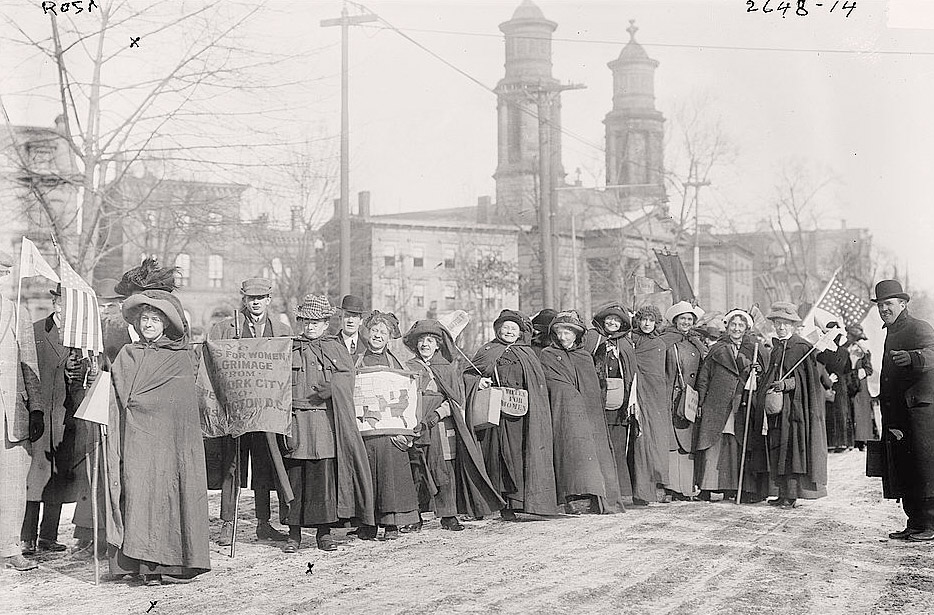
• Women's political mobilization and gender roles
Runner-up for the EMUEA 2024 Best Student Paper
Abstract: Can exposure to women's political mobilization during formative years shape gender roles? I study the causal impact of a march organized in 1913 between Newark and Washington, DC, to advocate for women's suffrage, which highly increased women's political visibility in towns along its route. I combine newly digitized data on the march itinerary with newspaper archives and linked census records. Comparing over time towns along the route to comparable towns along a nearby major road, I implement an event-study and a triple-difference design. Newspaper evidence indicates that the march led to a sustained increase in the local visibility of women in public life, beyond the one-time demonstration. Consistent with this, although gender roles were already evolving, exposure to the march--and to the sustained increase in women's political participation--appears to have accelerated this transformation. Women exposed during formative years are more likely to report being ``gainfully employed," delay marriage, and postpone fertility.
Presentations: Queen Mary University of London, Berlin Colloquium in Economic History, IEB Workshop on Political Economy, AFEPOP, Yale–UB HPE Workshop, European meeting of the UEA, XVI COSME Gender Economics Workshop, EEAYE, EHS, IMERA-AMSE Workshop in Gender inequalities, Development Reading Group at Boston University, Graduate Workshop in Economic History at Harvard University, World Cliometrics Conference, LAGV, AFSE, FRESH Workshop, IRES Lunch Seminar and Lewis Lab Graduate Student Workshop.
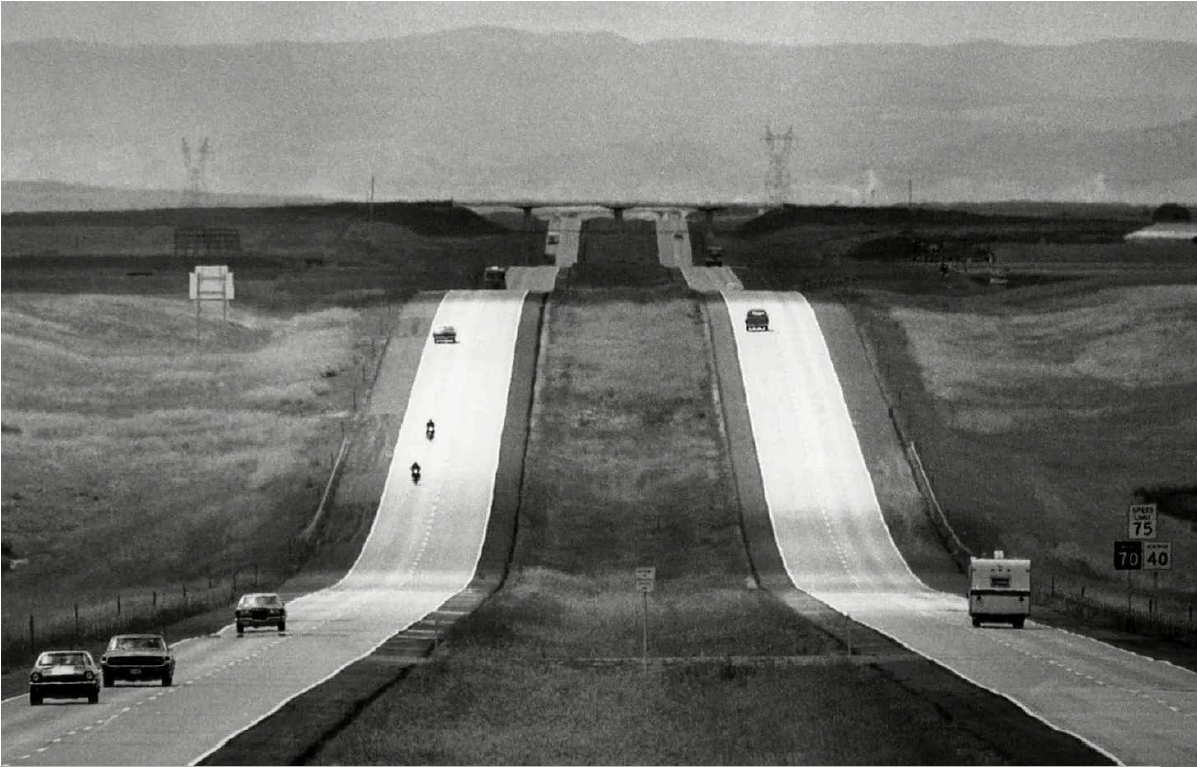
• Roads, employment and education: evidence from the US rural highways
With C. Bosquet
Abstract: We study the employment responses of teenagers to changes in local economic opportunities induced by improvements in transport infrastructure, and the potential consequences for education and longer-term life trajectories. We exploit the timeline of US highway construction in the mid-20th century and combine US Census data from 1940 to 1980 with historical records on highway locations and opening times. Employing an established instrumental variable to account for the non-random placement of highways combined with a difference-in-differences strategy, we find that road connectivity increases participation in the labor market. This effect is primarily driven by teenage boys starting to work as (unpaid family) farm laborers in the agricultural sector, whose employment share has declined at a slower rate in connected counties. Finally, although evidence suggests no significant short-term impact on educational enrollment, further investigation indicates that the employment effects of early connection to the highway network persist into adulthood and are associated with a lower level of welfare.
Presentations: RES & SES Annual Conference, European Winter Meeting of the Econometric Society, Decentralized Mobility and Electricity Working Group Seminar, North American meeting of the UEA, EALE, JMA, European meeting of the UEA, RGS and ADRES.
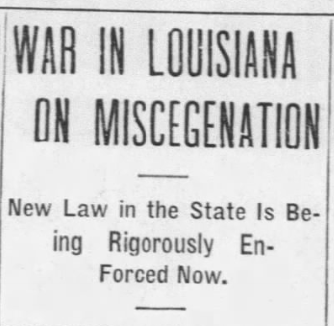
• Forbidden love: the impact of banning interracial marriages
Abstract: Following the Civil War, miscegenation laws were introduced across the United States. These laws declared interracial marriages "prohibited and void," making them a cornerstone policy of segregation. According to Cox (1960), the primary motive behind the adoption of these laws was to prevent Black Americans from climbing the social ladder. Thus, by exploiting the staggered adoption of these laws across states, we test the hypothesis that their adoption contributed to maintaining the economic disparities between racial groups, inherited from slavery. To do so, we combine information on state-level miscegenation laws with individual data from the US censuses (1870-1940) and implement a generalized difference-in-differences strategy. Our results indicate that the laws increased the probability of Black Americans being employed as farmworkers by approximately 3%, and decreased the likelihood of being farm managers by 53%. These findings suggest that the implementation of miscegenation laws contributed to maintaining an exploitative agricultural system. Our results are robust to testing for pre-trends and implementing advanced staggered difference-in-differences techniques.
Presentations: EHA, AMSE PhD Seminar and EHS.
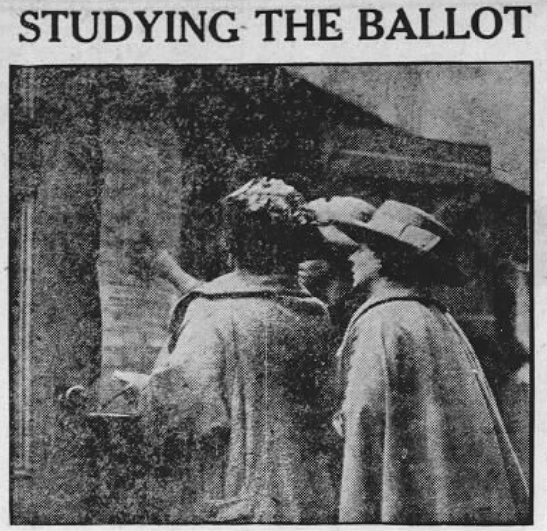
• Peer effects in women's political participation
With V. Bagilet
Abstract: To what extent does horizontal norm transmission shape women's voting culture? This paper examines how exposure to neighbors with entrenched voting norms can influence the likelihood of registering to vote. To quantify potential peer effects, we focus on women neighbors who migrated to Boston from U.S. states where women had been enfranchised prior to 1920, the year women gained the right to vote nationwide. Using precise residential addresses, we reconstruct fine-grained neighborhood communities and local social networks. We then aim to study the impact of exposure to women from early-suffrage states on both the behavior and normative beliefs of their women neighbors, exploiting idiosyncratic variation at the block level: while households may select their neighborhood, the specific block of residence is largely determined by quasi-random factors. Preliminary evidence suggests that women living near migrants from early-suffrage states were more likely to register to vote.
• When women vote: political platforms and the expansion of suffrage in the United States
With M. Chabriel and S. Hatte
• The political consequences of the 1983 March for Equality and Against Racism
With C. Umana Dajud and J. Valette